Search Results
Search this site
3004 results found with an empty search
- Junior Dlomo | Managing Director of Elite Projects KZNA Rising Force Among KZN’s Top Business Leaders
In the dynamic and ever-evolving business landscape of KwaZulu-Natal, a new generation of leaders is emerging—visionaries who are not only driving economic growth but also redefining what it means to lead with purpose. Among them is Junior Dlomo, the Managing Director of Elite Projects KZN, whose journey reflects resilience, innovation, and a deep commitment to excellence. Junior Dlomo’s rise in the business world is a testament to determination and strategic thinking. At the helm of Elite Projects KZN, he has successfully positioned the company as a trusted name in project management and service delivery. Under his leadership, the business has grown steadily, earning a reputation for reliability, quality workmanship, and client-focused solutions. What sets Dlomo apart is his forward-thinking approach. He understands that in today’s competitive environment, success is not just about delivering projects—it’s about building relationships, maintaining integrity, and continuously adapting to change. His leadership style emphasizes teamwork, accountability, and empowering others, which has fostered a strong organizational culture within Elite Projects KZN. Beyond business success, Dlomo is also passionate about community development and youth empowerment. He believes that true leadership extends beyond boardrooms and into communities. By creating opportunities and inspiring young entrepreneurs, he is contributing to a broader vision of economic inclusion and sustainable growth in the region. As one of KZN’s top emerging business leaders, Junior Dlomo represents a new wave of entrepreneurs who are shaping the future with bold ideas and ethical leadership. His journey is not only inspiring but also a powerful reminder that with vision, hard work, and perseverance, it is possible to build a legacy that impacts both industry and society. Looking ahead, Dlomo remains focused on expanding Elite Projects KZN while continuing to uphold the values that have driven his success. His story is still being written, but one thing is certain—he is a name that will continue to stand out among South Africa’s most promising business leaders.
- Merrill King: A People-First Leader in South Africa’s Catering Industry
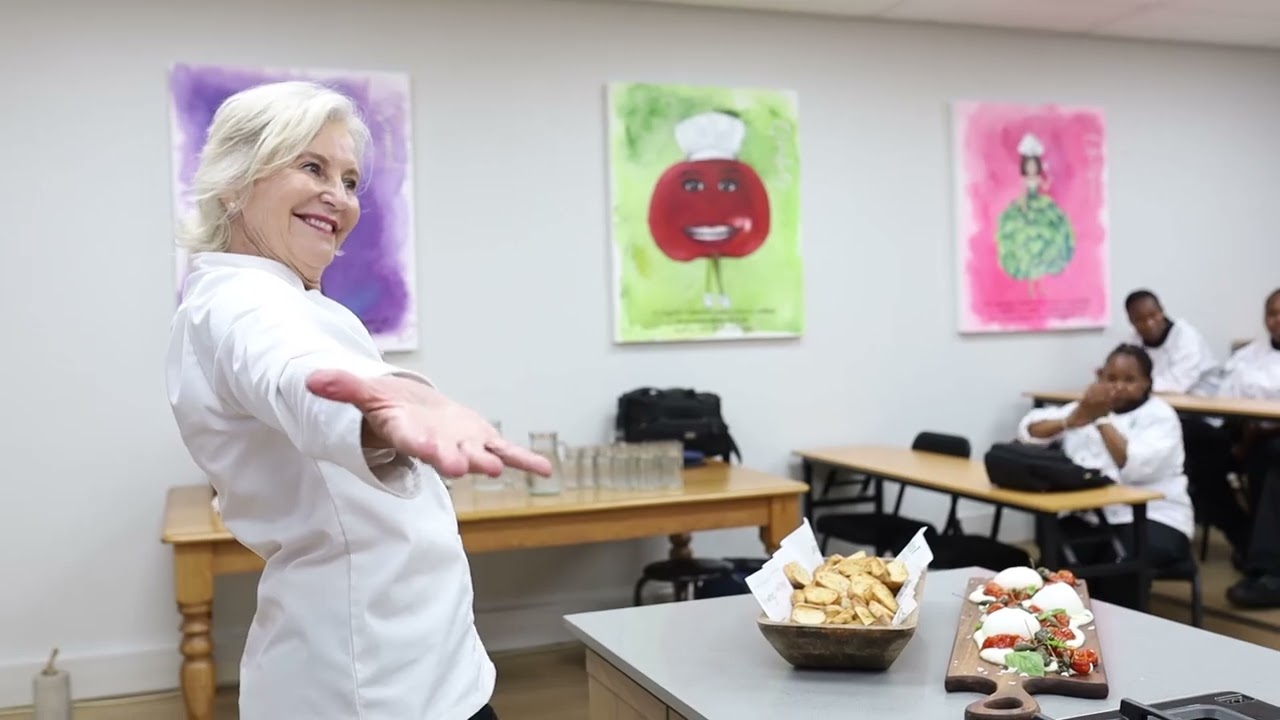
In KwaZulu-Natal’s dynamic business landscape, few leaders have blended culinary excellence with strategic leadership as effectively as Merrill King. As CEO of Capitol Caterers, she has helped shape one of South Africa’s most respected industrial catering businesses—driven by a philosophy that places people, quality, and innovation at its core. From Chef to CEO: A Journey of Passion and Purpose Merrill King’s career spans more than three decades in the food and hospitality industry. Beginning as a professionally trained chef at Durban’s Royal Hotel, she developed a deep understanding of food preparation, service excellence, and kitchen operations—skills that would later underpin her leadership approach. Her early passion for food led her to entrepreneurial ventures before joining Capitol Caterers, where she served as Group Executive Chef for many years. Transitioning into executive leadership, she now oversees the company’s strategic direction, operations, and continued growth across multiple regions. Building a Leading Catering Enterprise Founded in 1992, Capitol Caterers has grown into one of South Africa’s leading contract catering companies, servicing more than 100 customised contracts across sectors including education, healthcare, commercial, and retirement facilities. Under King’s leadership, the company has expanded its footprint across South Africa and into Eswatini, delivering high-quality, nutritious meals tailored to diverse client needs. The business employs over 1,400 people—an achievement rooted in its strong organisational culture and commitment to staff wellbeing. A People-Centred Leadership Philosophy What distinguishes Merrill King as a leader is her collaborative and inclusive management style. She believes that success in the catering industry depends not only on operational efficiency but on the wellbeing and engagement of employees. Her leadership philosophy is simple yet powerful: when staff feel valued and supported, client satisfaction naturally follows. This approach has contributed to a stable workforce, with many employees remaining with the company for over a decade. A key initiative reflecting this ethos is the Capitol Workers Trust, which has grown to hold a significant share in the company—ensuring that long-serving employees benefit directly from its success. Driving Excellence Through Innovation and Quality King’s culinary roots continue to influence Capitol Caterers’ commitment to excellence. The company prioritises nutritious, well-balanced meals that cater to a wide range of dietary requirements while maintaining high standards of presentation and taste. At the same time, innovation remains central to its operations. From adopting strict quality management systems and food safety standards to embracing sustainability practices, the company ensures that its services remain relevant in a rapidly evolving industry. Investing in Skills and Future Talent A strong advocate for skills development, Merrill King has supported the establishment of the Midlands Hospitality Academy—an initiative aimed at training and upskilling both employees and aspiring professionals. This commitment to education and empowerment not only strengthens the company’s internal capabilities but also contributes to the broader hospitality sector in South Africa. Recognition as a KZN Top Business Leader Merrill King’s inclusion among KwaZulu-Natal’s top business leaders reflects her significant contribution to the region’s economy and business community. Her ability to balance operational excellence with a people-first approach has positioned Capitol Caterers as a trusted partner across multiple industries. Beyond Business Outside of her corporate role, King is known for her dedication to personal wellness and competitive sport. An accomplished canoeist and endurance athlete, she has competed in major events such as the Dusi Canoe Marathon and the Comrades Marathon—demonstrating the same discipline and resilience that define her leadership style. Conclusion Merrill King represents the modern South African business leader: adaptable, people-focused, and driven by excellence. Through her leadership at Capitol Caterers, she continues to set benchmarks in the catering industry while empowering employees, supporting communities, and contributing to sustainable business growth in KwaZulu-Natal and beyond.
- Lynette Pretorius: A Visionary Leader in KwaZulu-Natal’s Business Landscape
In the evolving landscape of South African business, few leaders embody resilience, innovation, and purpose-driven leadership quite like Lynette Pretorius. As Managing Director of Austral Accounting, she has built a career spanning nearly three decades, positioning herself as a trusted advisor, mentor, and champion for sustainable business growth across KwaZulu-Natal and beyond. A Career Defined by Expertise and Vision Lynette Pretorius is a qualified professional accountant and tax practitioner whose journey in the financial services sector reflects both technical mastery and strategic foresight. With over 28 years of experience, she has guided countless businesses through financial complexity, regulatory change, and growth transitions. Her leadership at Austral Accounting has transformed the firm into a modern, technology-driven practice that goes beyond traditional bookkeeping. Today, the firm offers integrated services including cloud accounting, tax planning, payroll, business advisory, and estate planning—supporting clients across industries such as retail, property, manufacturing, and professional services. Driving Business Growth Through Insight Pretorius is a firm believer that accountants play a critical role in shaping business success. Rather than focusing solely on compliance, she advocates for a proactive approach—leveraging financial data to drive strategic decision-making, improve cash flow, and unlock growth opportunities. Under her guidance, Austral Accounting has embraced digital tools and cloud-based platforms, enabling clients to access real-time financial insights. This forward-thinking approach has helped businesses become more agile, informed, and competitive in an increasingly complex economic environment. Leadership Rooted in Empowerment What sets Lynette Pretorius apart is her commitment to people—both within her organisation and in the broader business community. She has cultivated a team culture grounded in professionalism, continuous learning, and service excellence. At the same time, she actively mentors entrepreneurs, particularly small and medium-sized enterprises (SMMEs), helping them build financial resilience and long-term sustainability. Her involvement in initiatives such as women empowerment programmes highlights her dedication to inclusive economic growth and skills development in South Africa. Recognition as a KZN Top Business Leader Being recognised among KwaZulu-Natal’s top business leaders is a testament to Pretorius’s impact and influence. Her leadership has not only strengthened Austral Accounting’s reputation but also contributed meaningfully to the region’s entrepreneurial ecosystem. This recognition reflects her ability to balance technical excellence with visionary leadership—driving innovation while maintaining a strong ethical foundation. Looking Ahead As the accounting profession continues to evolve with advances in technology and artificial intelligence, Lynette Pretorius remains focused on the future. Her vision includes expanding support for emerging businesses, investing in next-generation financial tools, and fostering the next generation of accounting professionals. Conclusion Lynette Pretorius exemplifies what it means to be a modern business leader—adaptive, insightful, and committed to making a difference. Through her leadership at Austral Accounting, she continues to empower businesses, uplift communities, and shape the future of accounting in South Africa.
- Unlocking Business Success with Terry Flack: Insights from a KZN Top Leader
Success in business often feels like a puzzle with many pieces. For entrepreneurs and business leaders in KwaZulu-Natal (KZN), understanding how to fit those pieces together can be the difference between thriving and struggling. Terry Flack, a recognized business success leader and a top figure in the KZN business community, offers valuable lessons drawn from his extensive experience. His approach combines practical strategies, leadership skills, and a deep understanding of the local business environment. This post explores key insights from Terry Flack’s journey and leadership style. Whether you are starting a new venture or looking to grow an existing business, these lessons can help you unlock your potential and achieve lasting success. Practical Steps to Improve Business Operations Terry Flack’s approach includes focusing on daily operations to ensure efficiency and quality. Streamline processes: Identify bottlenecks and simplify workflows. Use data to make decisions: Track key performance indicators and adjust strategies accordingly. Maintain high standards: Quality products and services build customer loyalty. One example is a hospitality business that improved customer satisfaction scores by 20% after revising its service protocols based on Terry’s advice. Embracing Technology for Business Advantage While not focused on flashy trends, Terry encourages practical use of technology to support business goals. Automate routine tasks: Save time on administration and focus on growth. Use digital tools for communication: Keep teams connected and informed. Leverage online platforms for sales: Reach wider audiences efficiently. Cultivating a Resilient Mindset Business success requires resilience. Terry Flack stresses the importance of mental strength and perseverance. Learn from failures: Treat setbacks as lessons, not defeats. Stay focused on long-term goals: Avoid distractions and keep pushing forward. Maintain balance: Take care of your health and well-being to sustain energy and creativity. Many entrepreneurs Terry has worked with credit their ability to bounce back from challenges to adopting this mindset. Final Thoughts on Unlocking Business Success Terry Flack’s insights show that success in business comes from clear purpose, strong leadership, adaptability, and practical action. By focusing on these areas, business leaders in KZN can build companies that not only survive but thrive. If you want to grow your business, start by defining your vision clearly, lead your team with integrity, and stay open to change. Build relationships that support your goals and use technology wisely. Above all, cultivate resilience to navigate the ups and downs of entrepreneurship.
- South African researchers developed world-leading underwater Wi-Fi technology
The Council for Scientific and Industrial Research (CSIR) is pushing the boundaries of underwater exploration with a breakthrough technology that could transform how we map, monitor, and secure the ocean floor. By combining advanced sonar imaging with high-speed underwater communication, researchers are bringing something close to “underwater Wi-Fi” to life. At the heart of this innovation are two complementary systems: synthetic aperture sonar (SAS) and broadband underwater acoustic communication. Together, they solve a longstanding challenge in marine technology—capturing high-resolution images underwater and transmitting them in near real time. Traditionally, underwater vehicles such as drones or towed platforms have struggled with two major limitations. First, sonar images captured at a distance often lack clarity and detail. Second, even when high-quality data is collected, it typically cannot be accessed until the vehicle resurfaces, delaying analysis and decision-making. CSIR researchers, led by Kiri Nicolaides, are addressing both issues simultaneously. Their synthetic aperture sonar system dramatically improves imaging quality by using sophisticated signal processing algorithms and newly developed wide-bandwidth transducers—devices that act like underwater antennas for sound waves. These transducers offer up to four times more bandwidth than conventional systems, resulting in sharper, more detailed images with fewer errors. As Josiah Jideani explains, “SAS is like the high-definition television version of sonar.” It is particularly effective at detecting small or subtle objects that traditional sonar might miss, making it invaluable for applications such as pipeline inspections, underwater cable monitoring, and even detecting hidden mines. The second half of the breakthrough lies in communication. Because radio waves degrade rapidly underwater, conventional wireless technologies are ineffective beneath the surface. Instead, CSIR engineers are turning to sound waves, which travel efficiently through water. According to Elna Niemann, the team is developing a broadband acoustic communication system capable of delivering “internet-like” speeds underwater. Their custom-designed ultra-wide bandwidth transducers provide up to five times more bandwidth than existing commercial acoustic modems—systems that typically operate at much slower, almost telegraph-like speeds. This means underwater drones equipped with the technology could soon transmit high-resolution sonar images in near real time, without needing to surface. The implications are significant: faster inspections of subsea infrastructure, improved environmental monitoring, enhanced mineral exploration, and more effective maritime security operations. The system has already undergone sea trials in Simon’s Town, where researchers tested its performance in real-world conditions. Back in Pretoria, at CSIR’s controlled testing facility, the team continues to refine the technology—calibrating equipment, improving algorithms, and iterating based on field data. One of the key challenges remains maintaining stability during data collection. Synthetic aperture sonar requires a steady speed and straight trajectory, but ocean conditions—waves, currents, and platform motion—can introduce disturbances. To counter this, the team relies on advanced motion correction and autofocusing algorithms. This continuous cycle of testing, refinement, and redeployment is central to the project’s success. As the technology matures, it promises to redefine underwater operations. What was once a slow, delayed process could soon become instantaneous—bringing the ocean’s hidden world into focus faster and more clearly than ever before. South African researchers developed world-leading underwater Wi-Fi technology
- The Ubuntu of Electronic Waste
By: EWaste Africa To view the original article on LinkedIn, click here In South Africa, we are currently battling two massive crises simultaneously. On one hand, we have a rapidly growing electronic waste crisis. On the other hand, we face a staggering unemployment crisis. At EWaste Africa, we believe the solution to the first can actively help solve the second. When you look at modern recycling facilities in the developed world, you often see massive automated processes to shred and separate without human touch. These systems can chew up tonnes of electronic waste in minutes. It is fast, and it is highly efficient. But when you bring that exact model to South Africa, it completely ignores the reality of our socio-economic landscape. According to government reports, we occasionally see small statistical victories, such as a recent 0.5 percentage point decrease in the official unemployment rate. However, the reality on the ground feels very different. It is widely suspected and documented that the unofficial, expanded unemployment rate is considerably higher. This is particularly devastating when we look at our high youth unemployment rates. Millions of young, capable South Africans are sitting at home, desperate for an opportunity to simply enter the economy. Preserving Jobs and Preserving Value This is exactly why we do not shred everything. Fully automated processing destroys more than just entry-level jobs; it can also destroy the core value of the resources we are trying to save. Our decision to prioritise manual dismantling is deeply supported by metallurgical science, specifically the Metal Wheel concept developed by Professor Markus Reuter. If you rely solely on massive automated processes to shred and separate without human touch, you effectively mash highly complex electronic devices into a tangled mixture of materials. This makes it metallurgically difficult to recover precious or critical elements during the smelting process. Manual dismantling allows us to intervene before this destruction occurs. Where a machine sees feedstock, our team sees nuance. By taking devices apart manually, we can cleanly separate different fractions and elements. This allows us to recover materials with higher purity while creating meaningful employment. Where Technology Takes the Lead However, we never compromise on safety for the sake of manual labour. Certain waste streams (specifically lighting, PV modules, and battery cells) contain hazardous materials or pose risks that require advanced intervention. For these items, we rely on specialised technology to ensure optimal processing and to keep our employees safe. By automating the handling of hazardous components, we protect our team from exposure to toxins and physical risks. Our commitment to this balance is backed by our ISO 45001 accreditation for Occupational Health and Safety. We promise that while we prioritise jobs, we will always prioritise lives first. Empowering the Next Generation Today, EWaste Africa employs 60 full-time staff across our national footprint. From the specialised processing lines in KwaZulu-Natal and Gauteng to our collection team in Cape Town, that equates to 60 families supported by responsible recycling. Crucially, we are investing in the future. Over two-thirds of our workforce is under the age of 36. By combining safe, high-tech processing with job-creating manual disassembly, we are building a skills pipeline for the green economy. We are giving young people the experience they need to become the engineers, managers, and leaders of tomorrow. Technology is vital, but technology should serve people, not replace them. This is Ubuntu in action. We use technology to protect our people, and manual processes to empower them. When you recycle with EWaste Africa, you aren’t just keeping toxins out of the landfill. You are supporting a model that balances safety with the spirit of Ubuntu. I am, because we are. Image by EWaste Africa
- Transnet seeks to reclaim land of the Durban Port
By: Dylan Naidoo A recent application was gazetted for the Transnet National Port Authority (TNPA) seeking to reclaim certain hectares of land from the Durban port. The application was gazetted on 10 April, with the TNPA’s goal to develop artificial land. In the application, the land to be claimed is situated between the existing Point multi-purpose terminal quay wall and the new Point Container Terminal quay Wall, which allows for an expanded footprint in the increased container capacity. It is estimated that roughly four million m3 of infill material is required to cover an area of 22.4 hectares (ha), with the material to be sourced from ‘the authorised sandwinning site located offshore’, a location near the entrance to the port. The TNPA explains that this expansion of the port is part of their ‘KZN Ports Master Plan’ aiming to reduce business costs, keeping the South African economy more competitive. The decision to reclaim this area is also to expand the capabilities of the Durban Port, positioning it as a premier container port hub in the entire region, further expanding the hub capacity to 10 and 11 million twenty-foot equivalent units (TEU). Along with this, TNPA aims to upgrade various areas of the port, including expanding the size of the container terminals as well as improving rail links to the port. The gazetted application mentions that, should the TNPA be approved, the artificial land will be used to develop to following projects: ● a new quay wall, berthing for container vessels ● infrastructure that accommodates ultra-large container ships (ULCS) ● operating harbour cranes ● stacking containers (meaning more land for stacking containers on top of each other in blocks grouped by imports, exports etc); and ● the availability of land and water areas for future expansion. The gazetted application can be viewed here: https://www.dffe.gov.za/sites/default/files/legislations/nem_preapproval_landfromcoastalwaters_tnp_portofdurbang7357gon54470.pdf Proposed reclamation area in relation to sandwinning and dredging sites
- TIKZN Showcases Economic Momentum in Northern KZN
By: TIKZN The Trade & Investment KwaZulu-Natal Board recently conducted an on-site visit to the Prince Buthelezi Mall in Empangeni, as well as the RBIDZ Special Economic Zone, reaffirming its commitment to supporting strategic developments that drive regional economic growth. Scheduled to open on 30 April 2026, Prince Buthelezi Mall will introduce a 37,000m² retail destination to the region. Inspired by the lush, rolling hills of the surrounding landscape, the development is set to deliver a vibrant and aspirational shopping experience for the Empangeni community and its neighbouring areas. Strategically located at the R102/R34 intersection on Erf 11447, in close proximity to the Empangeni CBD, Ngwelezane Township, and the John Ross Highway (R34), the mall is well-positioned as a key regional retail hub. The development will feature more than 70 stores, including major anchor tenants such as Checkers, Shoprite, and Woolworths. Additional amenities will include free Wi-Fi, a variety of food courts, and a dedicated children’s play area, enhancing its appeal as a convenient and family-friendly destination. The project is being developed as a joint venture between the Moolman Group, Twin City, and Melta Capital, reflecting strong collaboration within the private sector. Together with the continued expansion of the Richards Bay Industrial Development Zone, these developments emphasize growing investor confidence in KwaZulu-Natal. They further highlight a shared commitment to driving sustainable economic development, creating employment opportunities, and delivering long-term value for both the local community and the province as a whole. It is clear KwaZulu-Natal is open for business, and getting started has never been easier. Through the InvestSA One Stop Shop, facilitated by TIKZN in the province, various services are brought together in one place to support investors and businesses at every stage. For more information visit https://tikzn.co.za/ TIKZN visits new mall
- SAICA Business Breakfasts Spark Insightful Dialogue on South Africa’s Economic Future
Business leaders, professionals, and key decision-makers recently gathered at two high-profile business breakfast sessions hosted by SAICA (The South African Institute of Chartered Accountants). Held at the Protea Hotel Umhlanga and Golden Horse Hotel, the events created a valuable platform for meaningful engagement around South Africa’s economic outlook. The sessions brought together a distinguished panel of thought leaders, each offering unique and deeply informed perspectives. Dawie Roodt, a respected economist and political commentator, unpacked key macroeconomic trends and policy challenges shaping the country’s trajectory. Angelika Goliger provided a strategic outlook grounded in global and regional economic dynamics, while Justice Malala delivered a compelling analysis of South Africa’s evolving political landscape. Across both Umhlanga and Pietermaritzburg sessions, discussions were robust, thought-provoking, and firmly focused on the future. Key themes included navigating economic pressures, understanding the implications of political developments, and identifying opportunities for sustainable growth in an uncertain environment. What stood out most was the emphasis on informed leadership and the need for collaboration across sectors. In a time marked by complexity and rapid change, the conversations reinforced the importance of strategic thinking, adaptability, and resilience in driving business success. Beyond the insights shared on stage, the breakfasts also offered attendees the opportunity to connect with like-minded professionals, exchange ideas, and strengthen networks—further enhancing the value of the experience. Participation in these sessions reflects a commitment to staying informed and engaged in shaping South Africa’s economic future. As businesses continue to navigate both challenges and opportunities, platforms like these remain essential in fostering dialogue, insight, and forward momentum. SAICA Business Breakfasts Spark Insightful Dialogue on South Africa’s Economic Future
- Engineered for Extremes: Why Fire Protective Equipment Must Perform Without Compromise
When conditions intensify, there is no margin for failure. In high-risk fire and rescue environments, protective equipment is not simply a requirement—it is a critical component of operational performance. From extreme heat exposure to restricted visibility and the need for rapid mobility, every element of a firefighter’s gear must function seamlessly under pressure. At the forefront of this demand is Imperial Armour, a brand focused on delivering fire protective equipment designed specifically for these unforgiving conditions. Their approach centres on performance-driven engineering, where durability, comfort, and protection are not competing priorities but integrated essentials. A System Built for Protection Structural fire suits are far more than outer garments—they are complex, multi-layer systems designed to work in unison. Each layer serves a specific purpose: Outer Layer: Engineered for flame resistance and durability, protecting against direct heat and physical wear. Moisture Barrier: Prevents water and hazardous liquids from penetrating, while maintaining breathability. Thermal Liner: Provides insulation against extreme temperatures, reducing heat transfer to the wearer. This layered approach ensures that firefighters remain protected without sacrificing the flexibility needed to perform critical tasks effectively. Designed for Real-World Demands In emergency situations, small design details can have a significant impact. Imperial Armour incorporates features that directly respond to the realities faced by first responders: Reinforced construction for extended durability Sealing tape to enhance protective integrity Heat-resistant Nomex cuffs for added safety Integrated knee protection for mobility and endurance These elements are not aesthetic additions—they are practical enhancements developed to support performance in active, high-pressure environments. Balancing Protection and Performance One of the greatest challenges in protective gear design is balancing safety with usability. Equipment that is too heavy or restrictive can hinder movement, delay response times, and increase fatigue. Imperial Armour’s fire suits are developed with this balance in mind, ensuring that wearers can move efficiently while remaining fully protected. Breathability and ergonomic design play a key role here, helping to regulate body temperature and reduce strain during extended operations. Operational Readiness is Non-Negotiable For fire and rescue teams, preparedness is everything. The effectiveness of a response can depend on seconds—and on the reliability of the equipment in use. Protective gear must perform consistently, without compromise, in every scenario. Imperial Armour’s commitment to quality and performance reflects a clear understanding of this reality: in environments where risk is constant, equipment must be trusted without hesitation. Because when lives are on the line, protection isn’t optional—it’s operationally critical. Contact Imperial Armour 📞 +27 31 700 2650 ✉️ sales@imperial-armour.com 🌐 www.imperial-armour.com 📍 3 Clark Road, Westmead, Durban, 3610, South Africa Engineered for Extremes: Why Fire Protective Equipment Must Perform Without Compromise
- Trevor Clark and ActionCoach: Meaningful connections and managing finances
By: Dylan Naidoo On 26 March 2026, Business Sense reporters were invited to attend an amazing Business masterclass, hosted by ActionCoach, with the goals to develop long-standing business relationships and connections. The event took place in Pinetown, with guests spanning various business sectors. From sit and dine restaurants to synthetic leather makers, we got to meet business leaders from various walks of life. Getting straight to the masterclass, we were given a lesson on business growth, financial information, and how to make certain business decisions. The masterclass also delved into the importance of employing the right people, as well as the importance of achieving goals and milestones. Creating meaningful connections were highlighted as one of the more important aspects of the event, and we got to hear more on that importance from Trevor Clark, CEO of ActionCoach, as well as Trevor's latest Business Sense article on managing finances. Business Sense reporters got an exclusive interview with Trevor discussing the importance of connections and financial decisions. He commented, “The challenge for most business owners is sometimes they are a little bit lonely, but often not knowing the right people to talk to.” Trevor ties this point as to when a business owner faces certain challenges, these business owners do not know the right people to talk to about it. Trevor’s Business Sense article leaned into the topic of if a business owner is unable to handle a small fortune, they will never be able to manage a large one. Reading the article myself, I was rather captivated by the messaging put across and was intrigued by how easy it was for business owners to develop bad spending habits. Trevor gives the example of when it is the weekend, people tend to spend quite frequently on smaller amounts. Technological innovations such as tap to pay reinforces that habit of constantly spending on smaller amounts, eventually leading to people wondering where all their money went once the weekend ends. Trevor commented, “At the end of the weekend your wallet is empty. And you go ‘Where did my money go?’ The thinking around it is if you are not just managing the twenty rands or the hundred rands, how on Earth would you know exactly where the hundreds of thousands of rands are going?” Trevor’s article delved into Dave Ramsey’s method of money saving, and one step of the method that stuck out to me was the importance of an emergency fund. Trevor explains that events do happen, both in our personal lives as well as in business. Citing the Covid-19 pandemic, he outlined that in situations like this, an emergency fund can be essential. ActionCoach is determined to guide your business with successful leadership practices. To learn more about ActionCoach, visit their website here: https://www.actioncoach.co.za/ To read Trevor’s latest Business Sense article visit: https://www.kznbs.com/post/if-you-can-t-manage-a-small-fortune-the-universe-will-never-give-you-a-large-fortune-actioncoa ActionCoach Masterclass
- One Year Later: Shongweni's Westown Square Goes from Vision to Vibrant Hub
By Chelsea Brand Just one year after opening its doors, Westown Square has quickly established itself as a dynamic lifestyle destination on Durban’s western edge. Since its official launch on 27 March 2025, the Shongweni-based development has welcomed over five million visitors – a clear indication that this once-anticipated retail hub is now firmly part of the region’s daily rhythm. What began as a bold vision for a mixed-use precinct has, in just 12 months, evolved into a space where shopping, dining, entertainment, and community intersect seamlessly. And while the journey hasn’t been without its challenges, the momentum behind Westown Square continues to build. “We’re incredibly grateful to the people of KwaZulu-Natal, especially those in the outer west, for their support,” says Carlos Correia, CEO of Fundamentum Property Group. “It’s been a whirlwind year. There have been hurdles, particularly with ongoing road upgrades and surrounding construction, but the improvements are already making a tangible difference. Most importantly, the community has embraced what Westown Square offers.” A key part of that success lies in the centre’s carefully curated retail mix. With approximately 130 tenants across 11 categories, Westown Square strikes a balance between trusted national brands and distinctive local businesses. From fashion and home decor to health, beauty, and a growing selection of eateries, the offering caters to a wide and diverse audience. Westown, Shongweni But Westown Square is about more than retail. Over the past year, it has steadily built a reputation as a vibrant social hub. A packed events calendar featuring markets, live entertainment, family-friendly activations, and community-driven initiatives has played a central role in drawing visitors back time and again. It’s this blend of experience and accessibility that continues to set the precinct apart. The centre’s first birthday celebrations extended into the Easter weekend earlier this month, bringing an added layer of excitement to the milestone. A large-scale digital Easter egg hunt, live performances, and festive appearances created a lively atmosphere for families and visitors, reinforcing Westown Square’s position as a space designed for connection and enjoyment. While the past year has been significant, the future plans for Westown are equally ambitious. The precinct forms part of a broader vision to develop a fully integrated, mixed-use “smart city” in Shongweni – one that prioritises convenience, sustainability, and walkable living. Residential development is already underway, with Balwin Properties having broken ground on the first 200 units of the Shongweni Eco-Park. This initial phase, expected to be completed by late 2026, will offer a mix of ground-floor apartments with private gardens and upper-level units with balconies – designed to appeal to a range of lifestyles. Another major addition is Kaleido, Westown’s latest residential offering, which forms part of the wider smart city ecosystem. Built around the increasingly popular “15-minute neighbourhood” concept, Kaleido aims to give residents access to everyday essentials within a short walk from their homes. “We’ve designed this space so that daily activities can be done within five minutes,” explains Jan Jansen van Vuuren, development manager for Westown and Kaleido. “There’s a clear shift towards integrated, walkable environments, and the response has been strong – Phase 1 of Kaleido sold more than 50% on launch day.” Looking ahead, nearly 2,000 residential units are planned for the Westown precinct over the next five years, marking a significant step toward establishing a fully self-sustaining urban node. Infrastructure and commercial developments are also progressing steadily. Plans are in place for the construction of West Private Hospital, a 100-bed specialist surgical facility set to rise adjacent to Westown Square, with building expected to begin in the latter half of 2026. Meanwhile, the Farrier Business Park is preparing to break ground in the third quarter of 2026, offering 40,000 square metres of logistics and warehousing space tailored to new tenants. Additional developments include a fuel station planned for 2027, as well as the introduction of a motor-focused commercial precinct, Parc Fermè. Leading automotive brands Omoda and Jaecoo have already paved the way for this new development, signalling confidence in the area’s growth potential. One year in, Westown Square stands as more than just a retail centre – it represents the early stages of a much larger vision for the region. With strong community support, a growing residential base, and ongoing development in the pipeline, it is clear that this is only the beginning. As Correia puts it, “We’ve laid a strong foundation. Now, it’s about building on that momentum and continuing to evolve alongside the community we serve.” www.westownsquare.co.za Westown, Shongweni